Jacksonville’s booming real estate market and growing homeowner base have made remodeling a smart investment. Whether you’re upgrading kitchens and bathrooms, adding outdoor living spaces, or tackling a full-home renovation, home remodeling in Jacksonville, FL requires understanding local contractor standards, permit requirements, and regional building codes. This guide walks you through the practical steps to plan, hire, and execute a successful remodeling project in Northeast Florida, without the headaches.
Table of Contents
ToggleKey Takeaways
- Home remodeling in Jacksonville, FL offers strong ROI, with kitchen and bathroom renovations returning 50–70% of investment at resale while improving daily living and property value.
- Kitchen projects cost $15,000–$50,000 and bathrooms $8,000–$25,000 mid-range, but hiring licensed contractors for plumbing and electrical work is essential to meet permit requirements and building codes.
- Outdoor living spaces like decks and pools (costing $30,000–$100,000+) are popular in Jacksonville’s warm climate but require site surveys, flood-zone checks, and licensed contractors to ensure safety and warranty protection.
- Verify contractors through the Florida DBPR, request at least three written bids with identical specifications, check references and insurance coverage, and get all scope, timeline, and payment terms in writing before starting work.
- Set a 10–20% contingency fund for unexpected issues and allow 2–6 weeks for permit approval plus material lead times (3–8 weeks for custom items) when planning your home remodeling timeline.
- Jacksonville permits are required for structural, electrical, plumbing, and HVAC work—never skip inspections or permits, as they protect your investment, ensure code compliance, and prevent resale complications.
Why Jacksonville Homeowners Are Investing in Remodeling Now
Jacksonville’s property values have steadily climbed, and home improvements directly increase resale value and buyer appeal. A well-executed kitchen or bathroom renovation typically returns 50–70% of its investment at sale, depending on scope and quality. Beyond equity gains, homeowners are remodeling to improve daily living, adding storage, upgrading outdated systems, and creating functional outdoor spaces that make sense in Florida’s warm climate.
The timing is also practical: Jacksonville’s construction season runs year-round, but spring through fall are peak months when contractors have full schedules. Planning now means securing reliable labor before the demand surge. Also, homeowners leveraging home equity lines of credit (HELOCs) are taking advantage of available financing options to fund mid-to-large remodeling projects.
Many homeowners use platforms like HomeAdvisor to estimate costs and compare contractor bids, making the research phase faster and more transparent than ever.
Popular Home Remodeling Projects in Jacksonville
Jacksonville homeowners gravitate toward projects that address Florida’s climate, lifestyle, and aging home stock. The most common remodeling work focuses on moisture control, energy efficiency, and creating indoor-outdoor living.
Kitchen and Bathroom Renovations
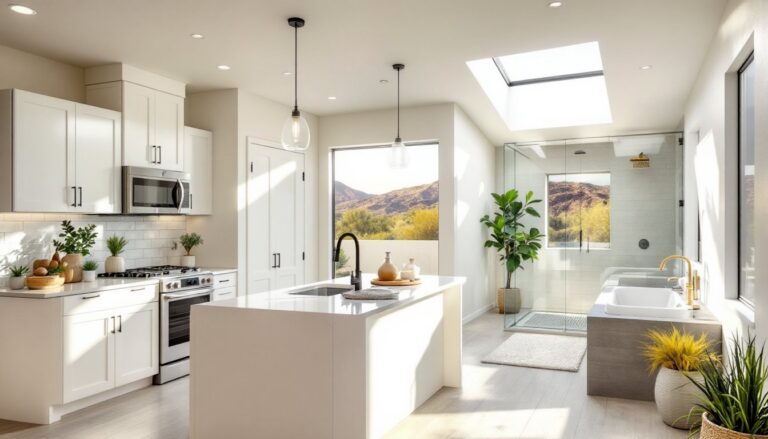
Kitchens and bathrooms represent the highest ROI remodeling categories. In Jacksonville, kitchen projects often include replacing dated cabinetry, installing granite or quartz countertops, upgrading to stainless-steel appliances, and improving lighting and ventilation. Bathrooms typically see tile work, vanity replacements, shower enclosure upgrades, and improved ventilation to combat humidity and mold, critical in Florida’s climate.
Both projects require attention to plumbing and electrical work, which almost always demands licensed professionals and permits. Budget $15,000–$50,000 for a mid-range kitchen refresh and $8,000–$25,000 for a solid bathroom renovation, though luxury finishes push costs higher. Homeowners should acclimate materials like wood cabinetry and tile to indoor humidity levels before installation, typically 48 hours, to prevent warping or cracking.
Outdoor Living Spaces and Pool Additions
Floridian weather makes outdoor living a lifestyle staple. Decks, screened porches, and lanais are popular additions: pressure-treated lumber and composite decking handle Florida’s moisture and UV exposure better than untreated wood. Pool additions range from modest plunge pools to full resort-style installations with spas and water features, typically costing $30,000–$100,000+.
These projects require site surveys, flood-zone checks, and setback compliance (distance from property lines). Angi provides detailed cost guides for outdoor projects and helps homeowners understand which features add value in your specific neighborhood. Always hire licensed contractors for structural and electrical work: DIY mistakes in pool or deck construction can void warranties and create safety hazards.
Finding and Hiring the Right Contractor in Jacksonville
Choosing the right contractor is non-negotiable. A bad hire derails budgets, timelines, and quality: a good one makes the entire process smooth and professional.
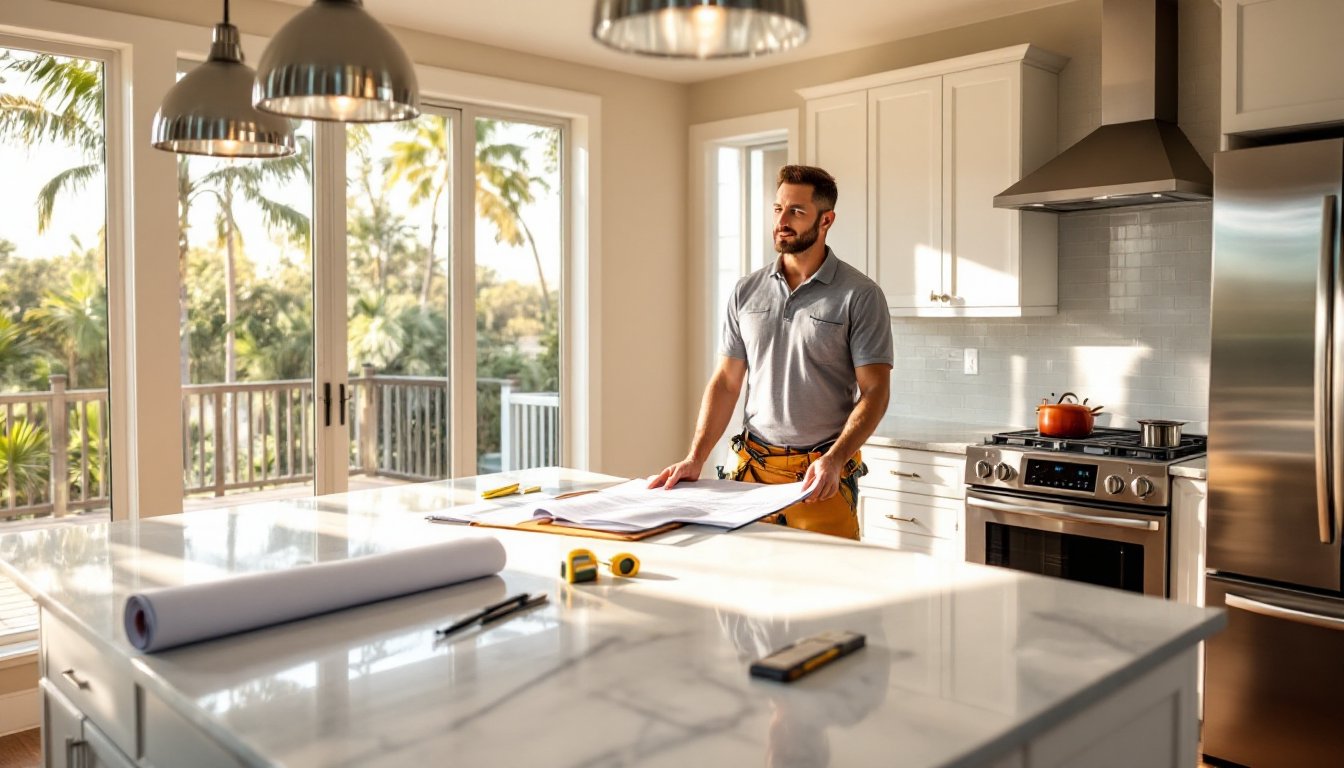
Start by gathering referrals from neighbors, friends, and local real estate agents. Verify licenses through the Florida Department of Business and Professional Regulation (DBPR) and confirm the contractor holds general contractor (GC) licensing, not just trade-specific licenses. Request at least three written bids for the same scope of work, identical specifications across quotes prevent apples-to-oranges comparisons.
Ask for references and check recent jobs in person when possible. A portfolio of completed work shows skill and attention to detail. Don’t automatically pick the lowest bid: instead, balance price with experience, timeline, warranty offerings, and communication style. A contractor who listens to your concerns and explains trade-offs is worth the extra 5–10% in cost.
Verify insurance: general liability and workers’ compensation are non-negotiable. A contractor without insurance puts you at legal and financial risk if someone is injured on site. Confirm contractor reviews on Houzz, which connects homeowners with vetted professionals and shows completed project photos and customer feedback. Get everything in writing, the scope of work, timeline, payment schedule, warranty, and change-order procedures, before work begins.
Planning Your Budget and Timeline
Budget planning requires two mindsets: the realistic estimate and the contingency reserve.
Request line-item estimates from your contractor: labor, materials, permits, and fees broken out separately. Material prices fluctuate (lumber, tile, fixtures, and appliances are volatile), so lock in pricing within 30 days of work starting. Labor costs vary by trade and complexity: specialized work like tile-setting or cabinetry installation commands premium rates, especially from experienced craftspeople.
Set a contingency fund of 10–20% of the total project cost to cover unforeseen issues, hidden rot, outdated wiring, or code-required upgrades discovered during demolition. Most projects exceed timeline estimates by 1–3 weeks due to material delays, weather, or hidden problems.
For timeline planning, factor in permit approval (2–6 weeks in Jacksonville), material lead times (often 3–8 weeks for custom cabinetry or special-order fixtures), and actual construction duration. A mid-range kitchen remodel typically takes 6–10 weeks from demolition to final inspection: outdoor decks, 3–6 weeks depending on size and complexity.
Maintain a project journal: photograph conditions before work, document changes with contractor sign-offs, and keep receipts. This protects both parties and helps resolve disputes if they arise.
Navigating Permits and Local Regulations
Jacksonville and Duval County require permits for most structural, electrical, plumbing, and HVAC work. Cosmetic updates like painting or replacing fixtures may not require permits, but any project affecting the home’s systems or structure almost certainly does.
Permit applications include site plans, engineering drawings (for structural work), and sometimes proof of contractor licensing. Processing typically takes 2–6 weeks: fees range from $200–$1,000+ depending on project scope and estimated cost. Building inspectors conduct rough inspections (framing, electrical, plumbing) and final inspections to ensure compliance with the Florida Building Code and local ordinances.
Key Jacksonville regulations to know:
- Flood zones and elevation requirements: Homes in flood-prone areas may require specific foundation, electrical, and mechanical system placement. Check the FEMA Flood Map Service Center for your property’s zone.
- Load-bearing walls and structural changes: Removing or altering walls requires structural engineer approval and permits.
- Setback and easement rules: Additions must comply with property line setbacks and utility easements.
- Historical districts: Some older Jacksonville neighborhoods have architectural review boards requiring design approval before permits.
Your contractor should handle permitting, but verify that permits are actually pulled before work starts. Working without permits invites fines, liability issues, and complications at resale. Never skip inspections, they protect your investment and safety.