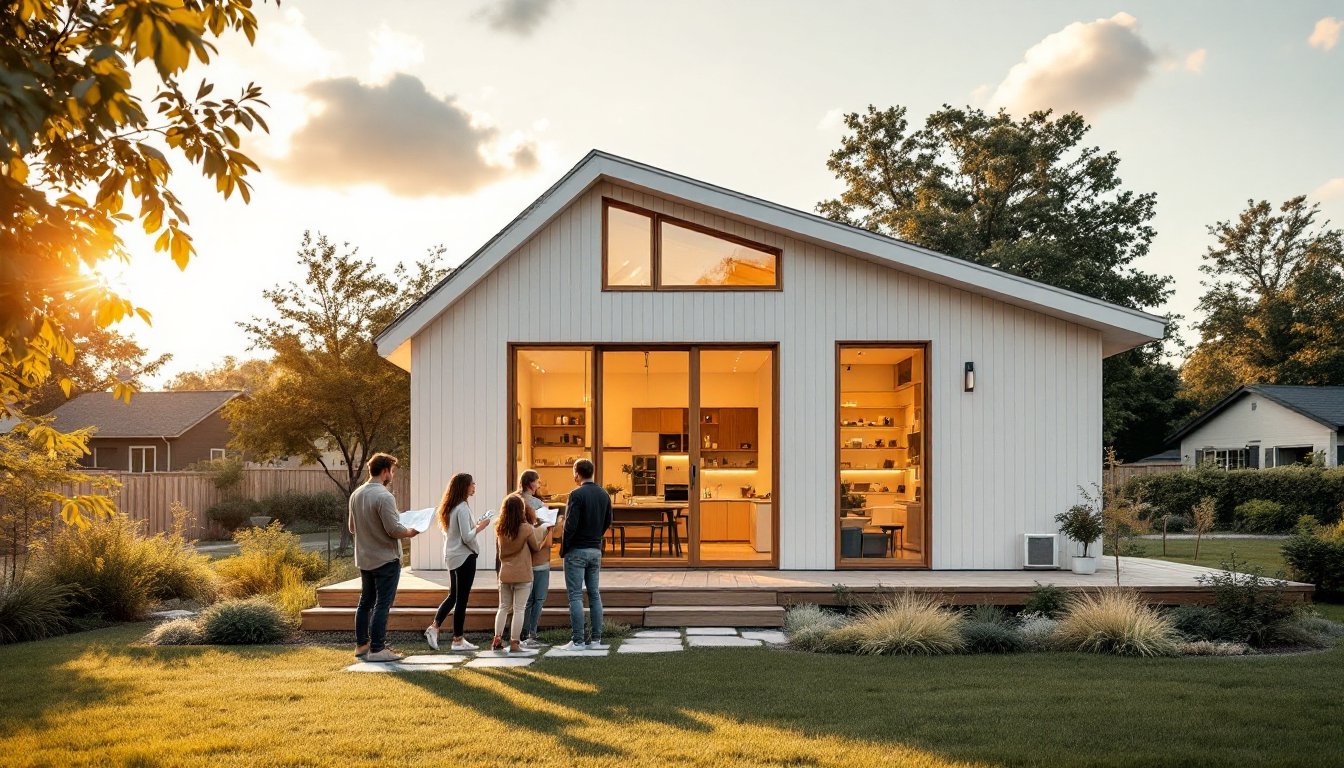
Buying a tiny house has shifted from niche alternative to legitimate housing strategy for thousands of buyers seeking affordability, simpler living, and lower maintenance. In 2026, the tiny house market reflects real market pressures: rising construction costs, tighter land availability, and homeowners who’ve realized that square footage doesn’t equal quality of life. Unlike the romanticized Instagram version, buying a tiny house involves serious financial decisions, zoning complications, and lifestyle adjustments that deserve careful planning. This guide walks through the practical steps to determine if tiny house ownership makes sense for you, what to expect financially and legally, and how to avoid costly mistakes before signing papers.
Table of Contents
ToggleKey Takeaways
- Buying a tiny house requires understanding zoning regulations and legal classifications before purchase, as stationary structures on permanent foundations face fewer restrictions than mobile units that may be prohibited outside designated parks.
- Total costs extend beyond the purchase price to include land (often the largest variable at $5,000–$50,000+ depending on region), soft costs like permits and site preparation (15–25% of construction), and ongoing expenses like property taxes and higher insurance for mobile units.
- Financing challenges exist because traditional lenders require minimum loans of $50,000–$75,000 and offer shorter terms, but specialized tiny house lenders and credit unions now provide 20–25 year mortgages at competitive rates as an alternative.
- Lifestyle fit is critical and often underestimated—spending actual time in a tiny house (not just photos) helps you assess the reality of downsizing, limited storage, and shared spaces before committing financially.
- Professional home inspections for tiny houses must focus on water intrusion, structural integrity, properly-sized mechanical systems, and storage functionality, since defects magnify in compressed living spaces and can quickly affect livability.
- Intentional design with multi-functional furniture, vertical storage, natural light, and careful layout planning transforms a tiny house from claustrophobic to genuinely livable, making the difference between resenting the space and thriving in it.
Understanding Tiny House Fundamentals and Lifestyle Fit
Before even looking at listings, you need a clear definition of what you’re considering. In the U.S., the IRS and most lenders define a tiny house as less than 400 square feet, though some jurisdictions set the threshold at 500 square feet. This isn’t just a technical detail, financing, insurance, and zoning classifications hinge on these numbers.
Tiny houses come in several flavors: stationary structures on permanent foundations, mobile tiny homes on trailer frames, and converted shipping containers. Stationary builds are typically treated as traditional real estate, while mobile units occupy a legal gray zone that varies wildly by location. A stationary tiny house feels more like conventional homeownership: a mobile one offers flexibility but runs into zoning restrictions in many areas.
Lifestyle fit matters more than anyone admits. Tiny house living requires honest downsizing, not just smaller furniture, but fewer possessions overall. You’ll share bathrooms, have limited guest space, and depend on creative storage. Couples and families with kids need especially careful consideration. If you’re used to sprawling closets and separate home offices, the psychological adjustment is real. Spend time in a tiny house if possible, not just a photo tour. The difference between 300 square feet in theory and 300 square feet where you’re actually living is profound.
When comparing buying vs. renting analysis frameworks, tiny house ownership can tip the equation in favor of buying because lower purchase prices reduce the rent-versus-buy break-even point significantly.
Financial Considerations and Cost Breakdown
Pricing and Budget Planning
Tiny house prices vary enormously based on whether you’re buying a pre-built unit, a used mobile tiny home, or commissioning a custom build. Pre-built stationary tiny houses range from $35,000 to $150,000 depending on finish quality and materials. Custom-built units easily exceed $200,000. Used mobile tiny homes typically run $25,000 to $80,000. Land, but, is the wild card, and often the largest cost.
Land prices differ drastically by region. Rural acreage might cost $5,000 to $20,000 per acre, while suburban lots suitable for tiny house communities run $15,000 to $50,000+. In some markets, purchasing land and building from scratch costs less than buying an existing tiny house. Don’t overlook soft costs: site preparation, foundation work, utility connections, and permits add 15–25% to construction budgets. A $60,000 build becomes $72,000–$75,000 once site work is factored in.
Monthly operating costs also differ from traditional homes. Property taxes are lower on smaller structures and less land, but not proportionally, expect 60–80% of what a similarly valued conventional home would pay. Insurance for stationary tiny houses runs roughly the same as standard homeowner’s policies, around $800–$1,200 annually. Mobile tiny homes cost significantly more to insure because they’re classified as personal property, sometimes doubling rates. Utilities drop because there’s less square footage to heat and cool, typically $40–$80 monthly versus $120–$180 for a standard home.
Financing Options and Mortgage Alternatives
Traditional mortgage lenders are cautious with tiny houses because resale concerns and the stationary-versus-mobile classification create uncertainty. Most conventional lenders require a minimum loan of $50,000–$75,000, which rules out cheaper tiny houses. Even then, expect higher interest rates or shorter amortization periods. A 15-year mortgage is more common than 30-year financing, which increases monthly payments substantially.
Specialized tiny house lenders have emerged, including Tiny House Fund and regional credit unions that understand the market. These lenders typically offer 20–25 year terms at competitive rates. Construction loans for custom builds are easier to arrange if the land is already owned and financing-ready.
Alternatives include personal loans (higher rates but no collateral), RV financing for mobile units (lower rates but shorter terms), or cash purchases if possible. Some buyers combine a land loan with a personal loan for the structure. When running buying vs. renting analysis tips, remember that lower monthly payments on a tiny house mortgage often beat renting in the same market, even accounting for property taxes and insurance.
Location, Legal Requirements, and Zoning Issues
Zoning is where tiny house dreams collide with reality. Most residential zones restrict minimum lot sizes and structure dimensions in ways that exclude tiny houses. An acre zoning requirement makes a 0.3-acre lot with a 300 sq ft home illegal, even if the owner has clear title. Before falling in love with a property or a home design, confirm zoning compliance with the local planning or zoning department.
Mobile tiny homes face stricter regulations. Many jurisdictions prohibit them outside designated mobile home parks, and even parks have size restrictions that eliminate many tiny house trailers. Stationary tiny houses on permanent foundations fare better legally, though some municipalities still resist them. A growing number of progressive cities, including Austin, Madison, and parts of California, have revised codes to permit accessory dwelling units (ADUs) and small structures, but this remains the exception.
Permits and inspections are mandatory for any permanent foundation construction. This adds $2,000–$5,000 and 4–12 weeks to timelines, but it’s non-negotiable. Unpermitted structures are financing nightmares and resale liabilities. Building permits also ensure code compliance, which protects your safety and property value.
Utility connections depend on location. Rural properties often require septic systems ($3,000–$8,000) and well drilling ($2,000–$5,000) instead of municipal water and sewer. These systems need inspection, maintenance, and periodic pumping. Municipal utilities are more straightforward but come with higher monthly fees in some regions. Research before committing to land.
Neighborhoods also matter legally. HOA-governed communities sometimes prohibit tiny houses even when zoning allows them. Read covenants carefully. Deed restrictions can make or break a purchase.
What to Inspect and Evaluate Before Purchasing
Inspecting a tiny house is like inspecting any home, but compressed, and the consequences of defects magnify in tight quarters. Hire a licensed home inspector experienced with small structures. Many inspectors skip tiny homes because they’re unfamiliar, so ask explicitly.
Structural integrity is paramount. Check the foundation (concrete pad, piers, or trailer frame) for settling, cracks, or deterioration. For mobile units, examine the trailer undercarriage, axles, and tongue for rust or damage, repairs are expensive and dangerous. Framing should be straight and level: gaps between walls and windows signal settling problems.
Water intrusion is the silent killer of tiny homes. Inspect the roof membrane, flashing, and sealant around windows and doors meticulously. Water damage compounds in small spaces because ventilation is limited and mold spreads quickly. Moisture meters reveal hidden dampness in walls and subfloors. Don’t skip this step.
Mechanical systems, plumbing, electrical, and HVAC, are more critical in tiny homes because there’s no buffer for failures. A burst pipe in a small house affects livability immediately. Check water heater capacity: many tiny homes use on-demand systems that can’t supply simultaneous hot water in multiple locations. Electrical panels should be sized for actual use, not just theoretical code minimums. HVAC systems must handle climate control in a compact, poorly insulated space, undersized units struggle.
Appliances and storage must align with daily use. Open all cabinet doors, test drawers, and verify that everyday items have homes. Poor storage design becomes maddening fast. Walk the kitchen layout during peak use times if possible, cooking for a family of four in some tiny kitchens is genuinely difficult.
If buying used or mobile, get a professional inspection report covering mechanical, structural, and safety systems. That $300–$500 investment prevents disasters. For new custom builds, progress inspections during construction catch problems before they’re covered up.
According to resources like Real Simple, intentional storage planning and decluttering before moving is non-negotiable for tiny house success.
Design, Storage, and Making the Most of Limited Space
Smart design separates livable tiny houses from claustrophobic ones. Multi-functional furniture, beds with storage, dining tables that fold, desks that disappear, aren’t optional. Vertical storage maximizes square footage: wall-mounted shelves, tall cabinets, and lofted sleeping areas reclaim floor space. But overstuffed tiny homes feel worse than sparse ones, so ruthless decluttering must happen before and during occupancy.
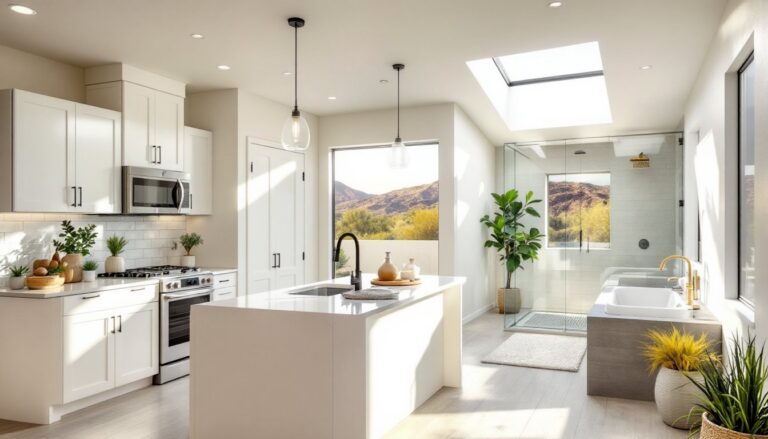
Natural light dramatically affects how small spaces feel. Homes with south-facing windows and skylights feel more spacious than those buried in shade. Window placement affects ventilation too, cross-breezes cool tiny homes more efficiently than HVAC alone in warm climates.
Open floor plans are standard in tiny houses, which means noise and smells travel freely. Pocket doors, sliding partitions, or strategic half-walls create separation without closing off spaces completely. Some families install sliding barn doors between bedrooms and living areas.
Color and material choices matter. Light paint, polished concrete, and pale wood finishes expand perceived space. Mirrors strategically placed reflect light and create visual depth. Dark colors and heavy textures make small rooms feel cave-like.
Layout determines functionality. A galley kitchen with counter space on both sides works better than an L-shaped kitchen in 100 square feet. Bathrooms with stacked washer-dryers save significant footage. Bedrooms with direct outdoor access (patios or porches) give the impression of expanded living area.
Design inspiration abounds on platforms like Apartment Therapy, which showcases real small-space solutions and tours of working tiny homes. Before finalizing plans, study multiple homes of similar size. Floor plans can be deceiving: living in the space, even for an hour, reveals real usability problems that renderings hide.
When evaluating top buying vs. renting analysis frameworks, remember that tiny house living trades square footage for reduced maintenance and lower utility costs, which appeals to buyers prioritizing simplicity over sprawl.