
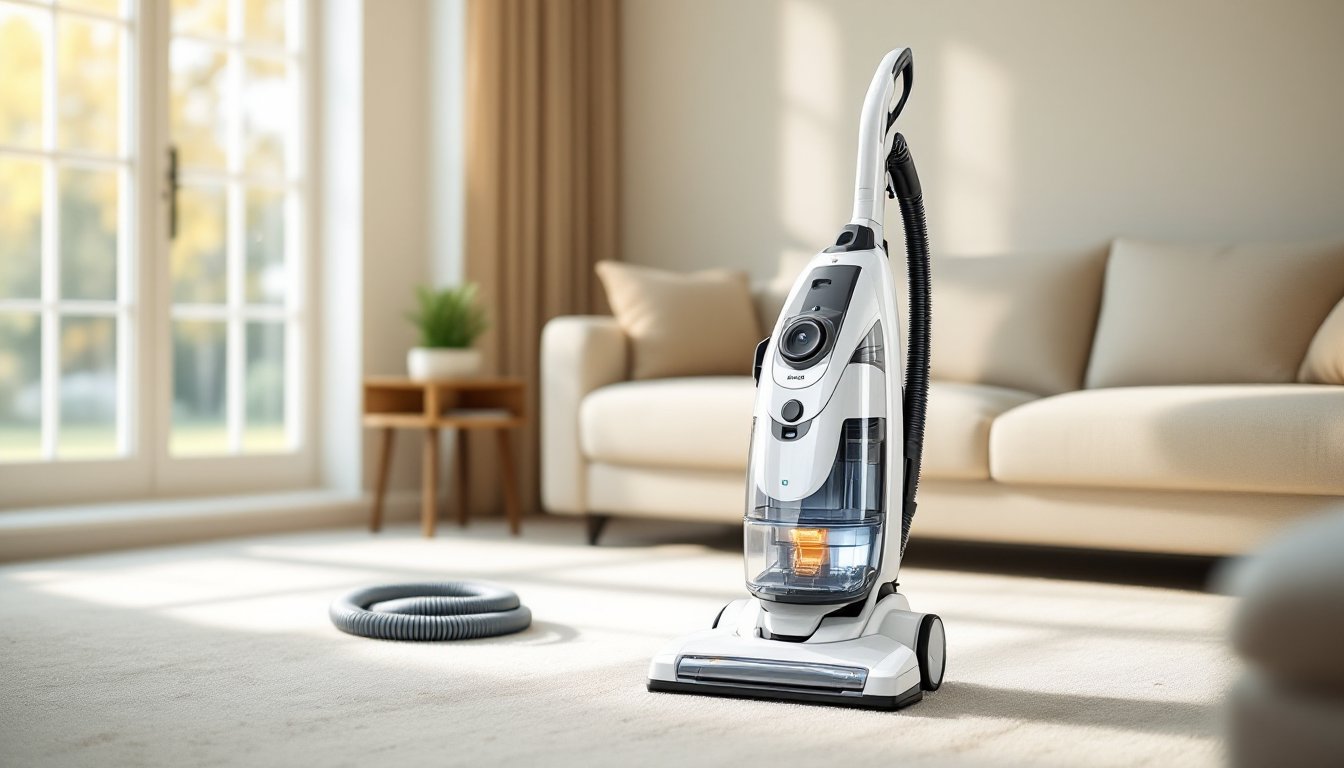
Tired of stains, pet odors, and that dingy look creeping into your carpets? A home carpet steam cleaner can transform how you maintain flooring without monthly professional service calls eating your budget. Whether you’re dealing with high-traffic hallways, accidental spills, or just the general grime of family life, owning a carpet steam cleaner puts cleaning power directly in your hands. This guide walks you through what to look for, how these machines actually work, and the best practices that’ll make your investment pay off for years.
Table of Contents
ToggleKey Takeaways
- A home carpet steam cleaner typically costs $300–$600 and pays for itself within a few uses compared to professional cleaning services averaging $100–$300 per room.
- Suction power (40+ inches of water lift) is the most critical feature for effective extraction, faster drying times, and cleaner results.
- Always vacuum before steam cleaning, test solutions on hidden carpet first, and avoid oversaturation to prevent mold and residue buildup.
- Regular maintenance—emptying tanks immediately, descaling monthly in hard water areas, and cleaning filters—extends your steam cleaner’s lifespan from 5 to 10+ years.
- Proper heat-up time, consistent water temperature (200°F+), and adequate tank capacity ensure your home carpet steam cleaner performs as well as professional equipment.
Why Invest in a Home Carpet Steam Cleaner
Professional carpet cleaning runs $100 to $300 per room depending on size and condition. Over five years, that’s significant money. A mid-range home steam cleaner, typically $300 to $600, pays for itself after just a few uses.
Beyond cost savings, steam cleaning extends carpet life by removing deeply embedded dirt, dust mites, and allergens that regular vacuuming misses. This matters if anyone in your household has allergies or asthma. Steam also tackles odors at the source rather than masking them with fragrance.
You’re not locked into a schedule either. Spill at 11 PM? Clean it immediately. Pet accident on Tuesday? Handle it on your timeline. That control and convenience are what separate owning equipment from renting it occasionally. And if you own rental properties or manage a vacation home, a steam cleaner becomes even more practical for turnover cleaning.
How Carpet Steam Cleaners Work
Steam cleaners aren’t just wet vacuums spraying hot water. They use heat and agitation to break down dirt bonds, then extract the moisture before it soaks in.
Here’s the actual process: A heating element warms water to 200–250°F (93–121°C). You mix this hot water with a cleaning solution and pump it into the carpet fibers via jets or a brush head. The hot water and chemical action loosen embedded dirt, oils, and allergens. Then, a powerful suction pulls that dirty liquid back up into a recovery tank, this is the extraction step that separates a real steam cleaner from a spray-and-wipe approach.
The carpet shouldn’t be soaked: it should feel damp but not dripping. Good extraction means your carpet dries in 4–8 hours rather than staying wet for days (which invites mold and mildew). The cleaner the extraction, the faster the dry time and the better your results. That’s why suction power matters more than you’d think.
Key Features to Compare When Buying
Not all carpet steam cleaners are created equal. Focusing on the right specs ensures you get a machine that actually cleans rather than just pushing water around.
Suction power (measured in water lift or amps) is your first priority. Stronger suction extracts more moisture, meaning faster drying and cleaner carpets. Look for machines with 40+ inches of water lift if you’re buying a full-size upright model.
Brush head design matters for agitation. A rotating brush or dual-brush system scrubs deeper than passive water jets. But, some delicate natural fibers (like wool) prefer gentler brush-free steam cleaning, check your carpet type before committing.
Hose length and attachment variety affect how easily you’ll clean stairs, upholstery, and under furniture. A 25-foot hose is standard: longer is better if your home is spacious. Hand tool attachments let you spot-clean and handle tight spaces.
Solution tank size determines how long you can clean before refilling. Larger tanks (3–5 gallons) reduce interruptions on big jobs.
Weight and maneuverability aren’t trivial. A lighter machine (under 40 pounds) is easier on your back during extended use, though slightly heavier models often have better suction.
Recent testing results for top carpet cleaners show that upright models dominate the residential market, though portable or compact options suit smaller homes or apartment dwellers.
Water Tank Capacity and Heat-Up Time
Don’t overlook these seemingly small details, they affect usability more than you’d expect.
Clean water tank capacity (the fresh solution reservoir) typically ranges from 1.5 to 5 gallons. A smaller 1.5-gallon tank means refilling frequently: great for focused spot cleaning, annoying for whole-house projects. A 3- to 5-gallon tank lets you clean an entire room before stopping to refill.
Dirty water tank (the recovery tank collecting used water) needs equal capacity. If it’s too small, you’ll empty it mid-job. A mismatch, small dirty tank, large clean tank, forces awkward interruptions.
Heat-up time varies wildly. Budget models may take 30–45 minutes to reach operating temperature. Premium machines heat up in 15–20 minutes. If you’re the type who forgets to start it before beginning other tasks, slow heat-up is frustrating. Some machines maintain heat between uses if left plugged in: check the manual before leaving it running unattended.
Water temperature consistency matters for results. Cheap machines lose temperature as you work: better machines include thermostats maintaining heat throughout the job. You’ll notice cleaner results with consistent 200°F+ water versus water that cools to 150°F halfway through your living room.
Best Practices for Effective Cleaning
Owning a steam cleaner doesn’t guarantee great results, technique and prep work do.
Vacuum first, always. Loose dirt and debris clog extraction systems and reduce cleaning power. Spend 10 minutes vacuuming thoroughly before firing up the steamer.
Test on hidden carpet first. In a closet or under a bed, test your chosen solution and water temperature on your specific carpet type. Some synthetics or dyes are sensitive to heat or certain chemicals. Better to learn this on a hidden spot than in your living room.
Don’t oversaturate. Push water into carpet, then immediately extract. Dwell time (letting solution sit) helps on stubborn stains, but leaving standing water leads to mildew. A good rule: if it takes three passes of the suction head to dry an area, you’re using too much water.
Overlap passes like mowing. One-directional passes miss seams and edges. Overlap by 25% and do multiple passes in different directions for uniform cleanliness.
Proper solution dilution varies by machine and product. Read labels carefully: too-strong solution leaves residue and attracts dirt faster. Too-weak solution wastes your time.
Practical home cleaning hacks and strategies emphasize that prep work, moving furniture, treating stains pre-emptively, ensuring good ventilation, sets up your steam cleaning for success.
Maintenance and Care Tips
A steam cleaner is simple mechanically, but neglect kills performance fast.
Empty tanks immediately after use. Don’t let dirty water sit in the recovery tank overnight. Stagnant water smells, promotes mold, and corrodes components. Rinse both tanks with fresh water and leave them open to air-dry.
Descale regularly. Hard water mineral deposits build up in heating elements and nozzles, reducing heat and water flow. If your area has hard water, descale monthly using a commercial descaler or vinegar solution (follow your machine’s manual for ratios and frequency).
Clean or replace filters. Most machines have intake filters catching lint and debris. Clogged filters reduce suction dramatically. Check them before each use and wash if washable, or replace disposable ones quarterly.
Inspect hoses and seals. Tiny cracks lead to leaks. If you spot weeping or pooling, replace the hose before it worsens. Seals around tanks degrade: replace them if water leaks during operation.
Store in a cool, dry place. Don’t leave a steam cleaner in a damp garage or basement where mold can colonize tanks and internal passages. A climate-controlled closet or shed is ideal.
Run vinegar solution through the system at season’s end if the machine sits unused for months. This flushes mineral deposits and prevents bacterial growth.
Proper maintenance extends machine life from 5 years to 10+ years, making that initial investment even smarter.
Conclusion
A home carpet steam cleaner isn’t a luxury, it’s practical maintenance that saves money, extends carpet life, and keeps your home healthier. Focus on suction power, heat consistency, and tank capacity when choosing. Pair any machine with proper prep work and technique, and you’ll get results rivaling professional services. Maintain it consistently, and your investment pays dividends for a decade.