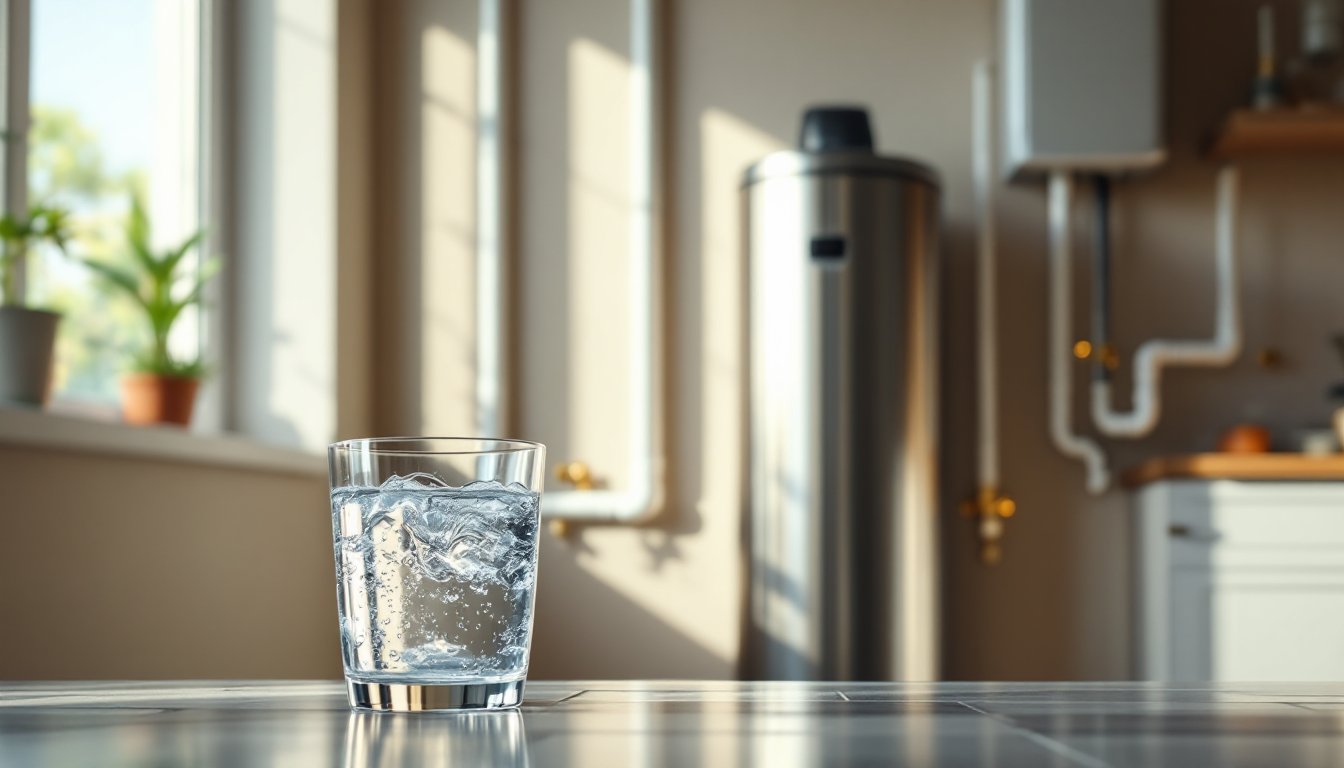
Hard water is one of those problems homeowners don’t think about until the shower door looks like frosted glass and the washing machine stops cleaning clothes properly. When minerals like calcium and magnesium build up in your pipes, appliances, and fixtures, they don’t just leave ugly stains, they reduce efficiency and shorten equipment life. A water softener and filtration system tackles both problems at once, improving water quality throughout your entire home. Whether you’re dealing with stubborn mineral deposits or concerned about contaminants in your supply, this guide walks you through what these systems do, how they work, and what it actually takes to install one.
Table of Contents
ToggleKey Takeaways
- Hard water costs homeowners $200–$400 annually in wasted energy and equipment damage, but a home water softener and filtration system can reduce water heater energy use by 15–20% while extending appliance lifespan.
- Ion exchange (salt-based) softeners are the most cost-effective solution for very hard water above 100 ppm, while salt-free systems are better for moderately hard water and homes on septic systems.
- Professional installation ensures your water softener meets local building codes and includes permit handling, pressure testing, and warranty coverage—services that justify the $500–$1,000 labor cost for most homeowners.
- Regular maintenance including monthly salt refills ($30–$60 yearly) and annual filter replacements ($80–$100 yearly) is essential; neglecting this reduces efficiency and can damage the entire system.
- A quality home water softener and filtration system combination removes both hardness-causing minerals and contaminants like chlorine, sediment, and iron, protecting your health and improving water quality throughout your entire home.
Why Water Softening and Filtration Matter for Your Home
Hard water is costly in ways you might not notice until the damage appears. Scale buildup inside your water heater reduces its lifespan by years and forces it to work harder, driving up energy bills by 15–20%. Appliances like dishwashers and washing machines also develop mineral deposits on heating elements, leading to slower performance and early failure.
Beyond appliances, hard water affects your home’s comfort. Soap doesn’t lather well, leaving a sticky film on skin and hair. Spots on glassware and bathroom fixtures become a constant battle. Over time, mineral buildup can restrict water flow in pipes, a problem that often requires professional pipe cleaning or replacement.
Filtration systems address a different concern: contaminants that softeners don’t remove. Municipal water is safe, but aging infrastructure, sediment, and chlorine affect taste and odor. In rural areas, well water may contain bacteria, iron, or sulfur. A quality filtration system removes these while a softener handles minerals. Together, they protect your health, preserve equipment, and improve your daily water experience.
Understanding Water Hardness and Common Contaminants
Water hardness is measured in parts per million (ppm) or grains per gallon (gpg). The USDA classifies water as soft below 60 ppm, moderately hard between 61–120 ppm, hard between 121–180 ppm, and very hard above 180 ppm. Most of the country sits somewhere in the hard range, with the Midwest and Southwest being particularly affected.
Common contaminants vary by location. Municipal supplies often contain chlorine, added for disinfection but noticeable in smell and taste. Sediment, sand, silt, and rust, clouds water and damages fixtures. Iron bacteria create reddish stains and a metallic smell. Hydrogen sulfide produces that rotten-egg odor. Nitrates, typically from agricultural runoff, pose health risks in high concentrations. Lead and copper can leach from old pipes, especially in homes built before the 1980s.
Signs Your Home Has Hard Water
You don’t always need a lab test to know you have hard water. Look for white, chalky buildup around faucets and showerheads, that’s calcium carbonate. Showers leave a slick, soapy residue on skin because soap binds to minerals instead of rinsing away. Your coffee tastes flat, and your towels feel stiff even after washing. The dishwasher leaves spots on glassware, and you’re buying more shampoo and detergent because nothing lathers well. A simple test kit from any hardware store confirms hardness in minutes, and many water companies provide free testing if you call.
Types of Water Softeners and Filtration Systems
The most common residential water softener is a salt-based ion exchange system. Hard water flows through a tank filled with tiny resin beads coated in sodium. As water passes through, calcium and magnesium ions swap places with sodium, softening the water. When the resin becomes saturated, the system flushes itself with a salt brine solution, this process is called regeneration, and the softener is ready to work again. These systems are effective, affordable, and mature technology: they’ve been installed in millions of homes for decades.
The downside: you must add salt regularly (typically once a month for a family of four), and the wastewater from regeneration affects septic systems. Also, softened water has a slight salty taste, though most people don’t notice it.
Salt-free (template-assisted crystallization) systems are another option. Instead of removing minerals, they convert calcium and magnesium into crystals that don’t stick to pipes and fixtures. No salt required, no regeneration, lower operating costs, and they’re eco-friendlier. But, they’re less effective on very hard water (above 150 ppm) and cost more upfront.
Filtration works alongside softening. Sediment filters (usually 20–100 microns) catch visible particles. Activated carbon filters remove chlorine, odors, and some chemicals. Reverse osmosis (RO) systems remove up to 99% of dissolved solids but are slow and produce wastewater. Many homeowners install a whole-house system (softener + sediment + carbon filter) for complete coverage, then add point-of-use RO filters under the kitchen sink for drinking water.
Ion Exchange vs. Salt-Free Options
Ion exchange systems excel at removing hardness (down to near zero) and cost $400–$1,200 installed. If your water exceeds 100 ppm hardness and you want the best performance, this is the proven choice. Many expert-tested water softener reviews recommend salt-based systems for hard water regions.
Salt-free systems cost $600–$2,000 installed but require no ongoing salt purchases. They work best on moderately hard water (under 100 ppm) and for homeowners on septic systems or in areas where sodium discharge is a concern. They also retain beneficial minerals, which some prefer. Both require regular filter or cartridge changes ($50–$150 yearly).
Installation Options: DIY vs. Professional Setup
Installing a whole-house water softener is possible for a confident DIYer but has real gotchas. The system must connect to the main water line before it splits to fixtures, typically near the water heater. You’ll need to cut into copper, PVC, or PEX pipe and install a bypass valve, if something goes wrong, you cut off your home’s water supply.
Most jurisdictions require a permit for water system installations because improper setup can contaminate the supply or cause backflow issues. Check with your local building department first. If your home has a check valve, backflow preventer, or water meter between the main line and your softener location, the install is more complex.
If you’re handy and comfortable soldering copper or crimping PEX fittings, a DIY installation can save $300–$800 in labor. You’ll also need basic plumbing tools: adjustable wrench, pipe cutter, sealant tape, and either a soldering torch or crimp tool. Watch installation videos specific to your system model, steps vary.
But, professional plumbers handle permits, connect everything to code, pressure-test the system, and program it correctly for your water hardness. They also troubleshoot if anything goes wrong. For most homeowners, the peace of mind and 10-year warranty coverage justify the $500–$1,000 labor cost. If your water line is buried, hard to access, or you’re uncomfortable with plumbing work, hire a professional. Many water softener dealers offer installation packages at a discount when you buy the system from them.
Maintenance and Long-Term Cost Considerations
Salt-based softeners need salt added every 4–8 weeks, depending on usage and water hardness. A bag of softener salt (40–50 lbs) costs $5–$15 and should be poured into the brine tank, not the resin tank, an easy mistake that damages the system. Annual salt costs run $30–$60 for most households. Every few years, the resin may need cleaning with a commercial resin cleaner if your water contains high iron or manganese.
All softeners need periodic filter or cartridge replacement. A sediment pre-filter typically lasts 6–12 months depending on water quality ($20–$40 per replacement). Carbon filters last 12–24 months ($30–$60). If you notice lower water pressure, reduced softening, or filtered water looking cloudy, the filter is due for a change. Neglecting this reduces system efficiency and can damage the softener itself.
Whole-house systems produce wastewater during regeneration. Salt-based softeners discharge roughly 20–30 gallons of brine per regeneration cycle, multiple times per month. If you’re on a septic system, this extra salt can harm the bacterial ecosystem. Salt-free systems avoid this problem.
Long-term costs: A $600 salt-based system with $50/year salt and $80/year filter changes totals about $13,200 over 20 years. A $1,500 salt-free system with $150/year filter changes totals about $4,500 over 20 years but requires less maintenance. Water heater energy savings from a softener (15–20% reduction) offset some costs, adding up to $200–$400 annually depending on usage.
Don’t skip the warranty. Most softeners come with 10-year warranties on the tank and 5-year warranties on electronics. Read the fine print: some warranties require professional installation or regular maintenance to stay valid. Tested water softener comparisons from major testing labs show that name-brand systems (Culligan, Water-Right, Pentair) tend to hold up better over time, though lesser-known brands often perform just as well. Expect a quality system to last 10–15 years if maintained properly: cheaper units may fail sooner.